Pan Am 2026 Nov 5–8 · Sebastian Inlet, FL info@nasff.org
Game on the line

Know the Targets

Species, scoring and the rules that matter on the beach.

Scoring

Every centimeter counts

Measured to IGFA rules, from the tip of the mouth to the fork of the tail.

1 pt

Per centimeter

Each full centimeter is one point, rounded down.

35 cm

Minimum size

The minimum to score. It can change at a captains' meeting for the next session.

Set

Big-fish points

Tarpon, sharks and large goliath grouper earn a set point value instead of a length.

15 min

Last-cast rule

A fish hooked before the final horn counts if it's landed within 15 minutes.

The species

Know the targets

Warm-water game fish that hit lures from shore. The organizers' species list sets the points for each event.

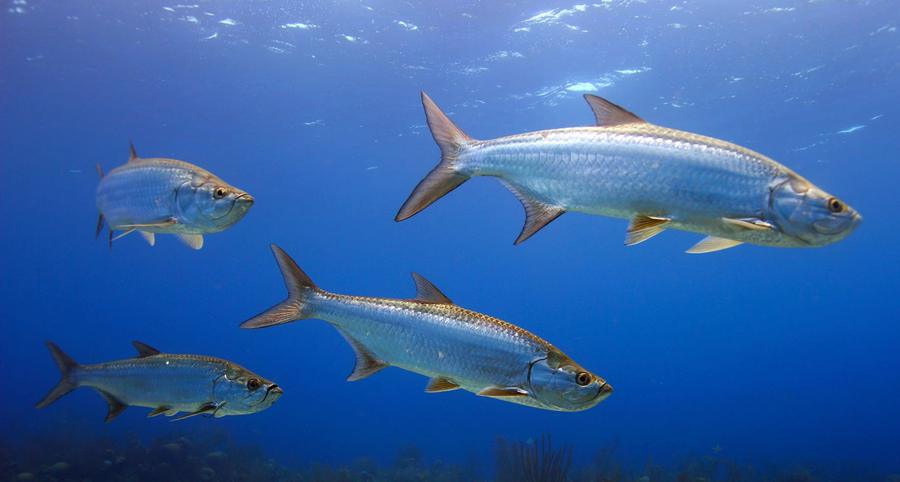
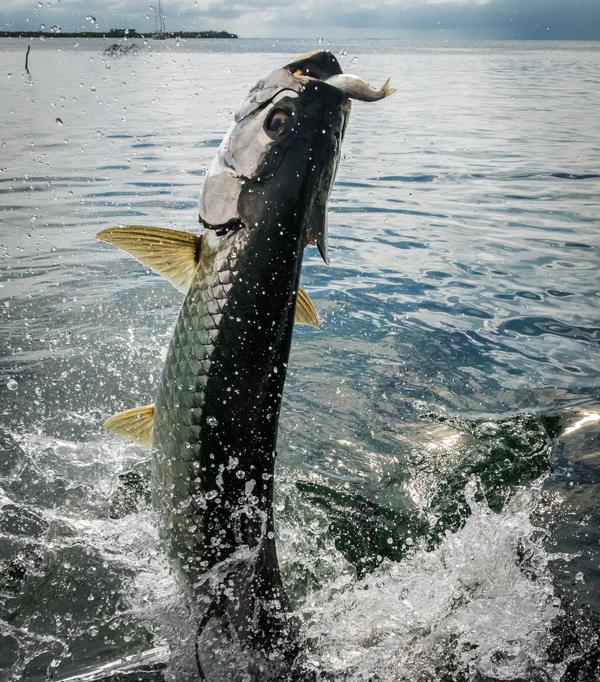
A tarpon leaping out of the water

Tarpon

Scored with a set point value. Tarpon are released without leaving the water, and a helper can assist in knee-deep water.
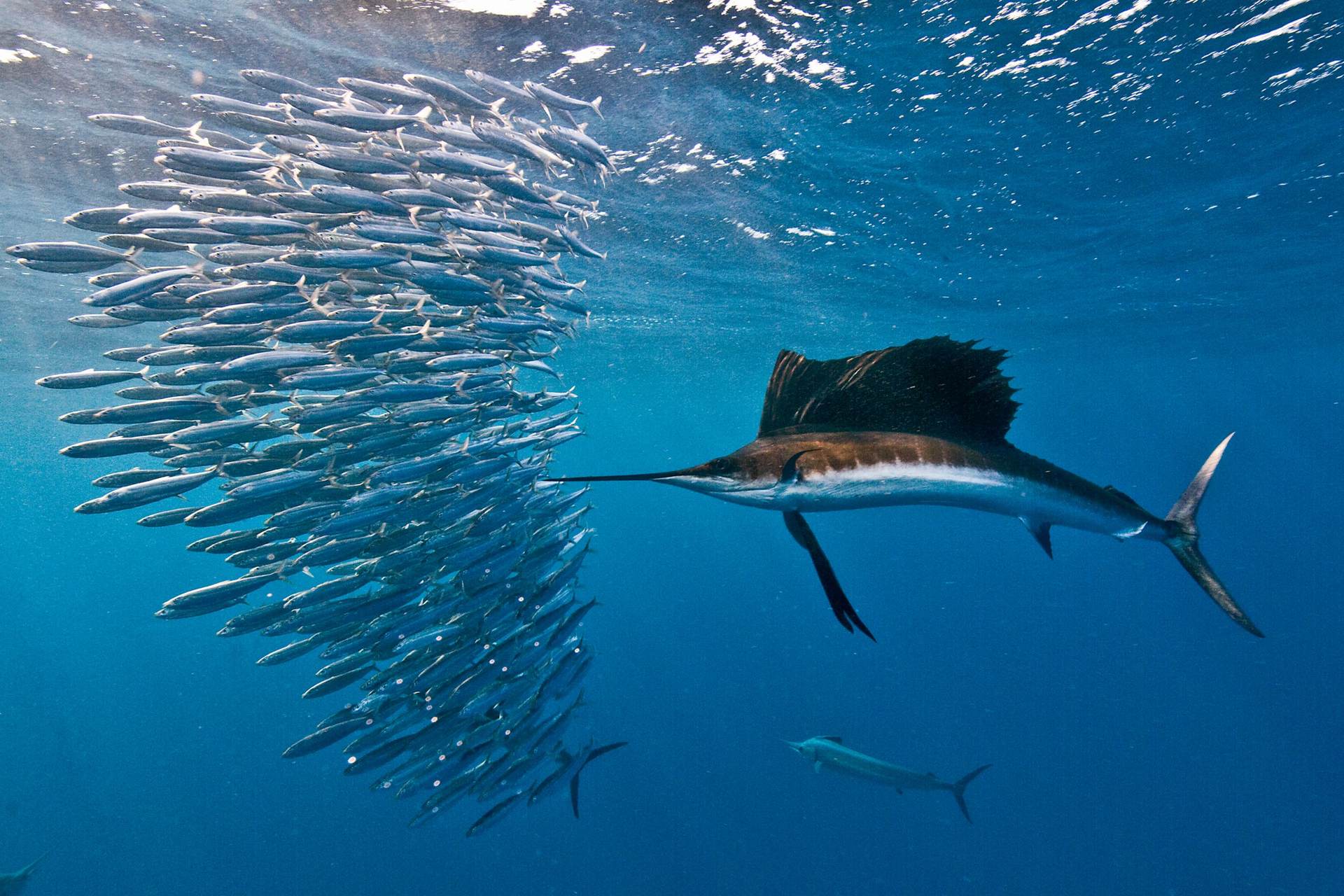
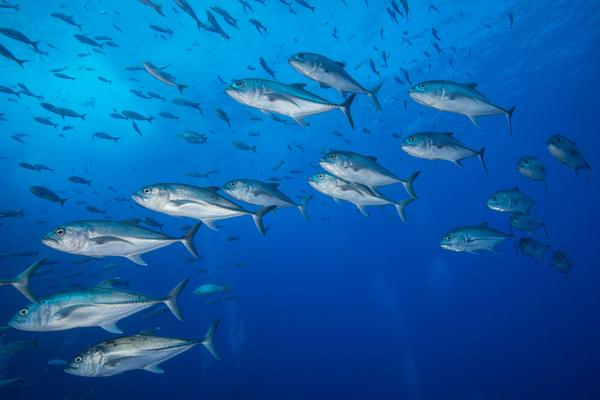
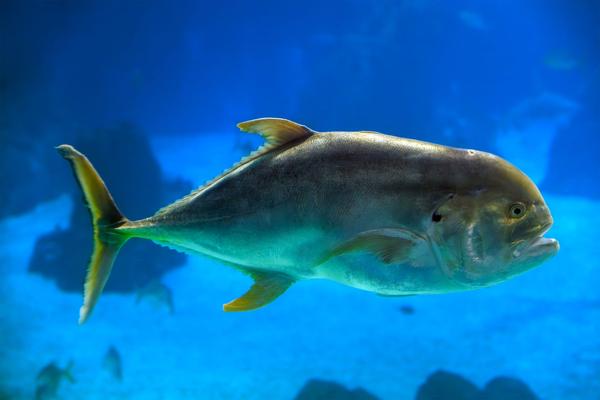
A school of jacks swimming in blue water

Jacks & trevally

Fast, hard-pulling lure fish that count by length. The beach judge photographs and measures every one.
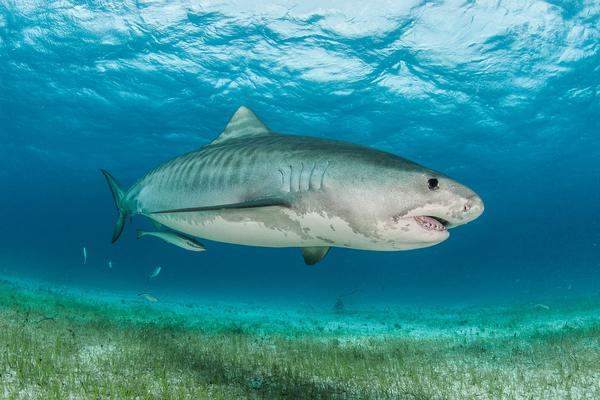
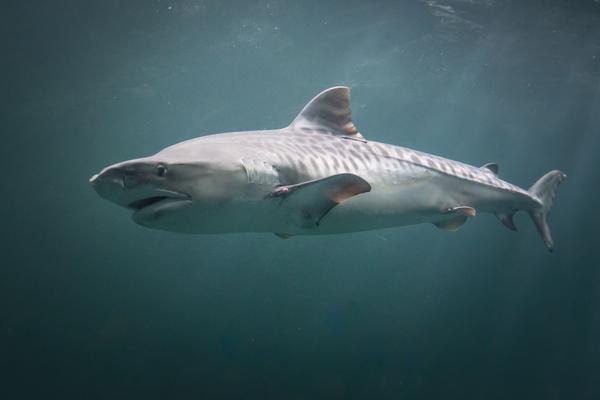
A tiger shark swimming over sea grass

Sharks

Like tarpon, sharks earn a set point value once the leader is touched, and they're released in the water.
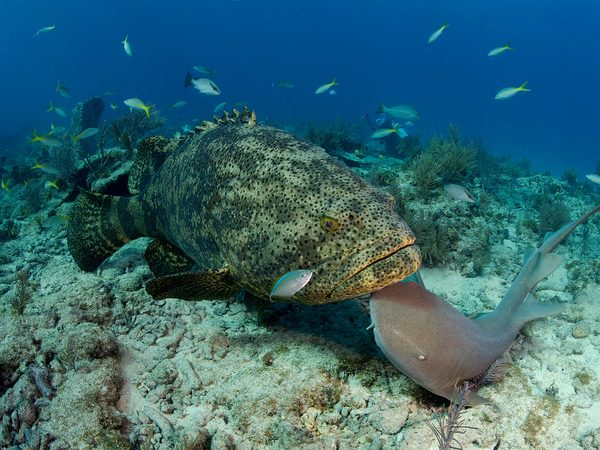
A goliath grouper over a reef, with a nurse shark beside it

Goliath grouper

Large goliath grouper are scored with a set point value and must stay in the water, like tarpon and sharks.
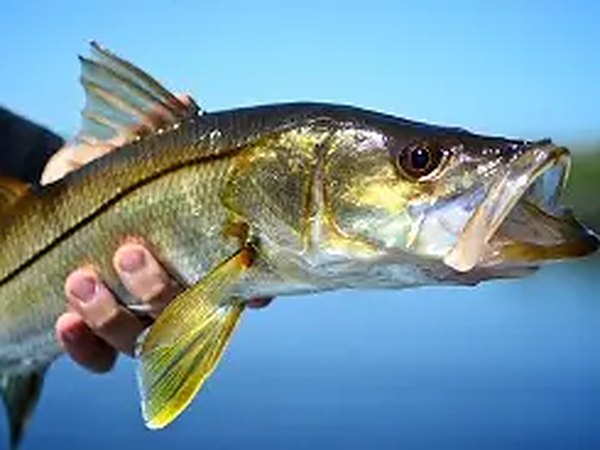
An angler holds up a snook against a blue sky

Snook

A classic Florida lure fish around inlets and beaches, and one of the species NASFF's selection criteria call for.
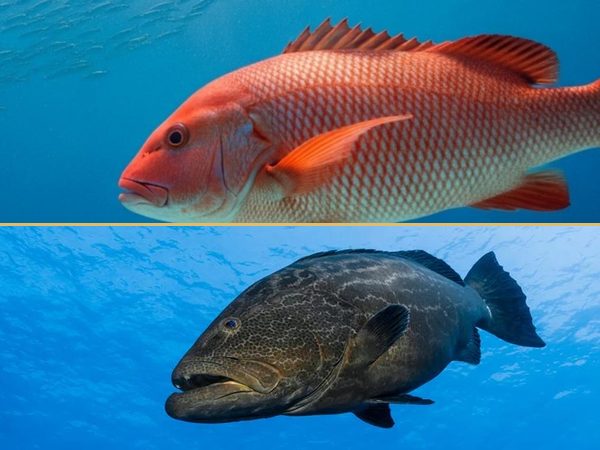
A snapper, top, and a grouper, bottom, in open water

Snapper & grouper

Structure fish that punish a slow hookset. Count on them to test your drag near rocks and jetties.
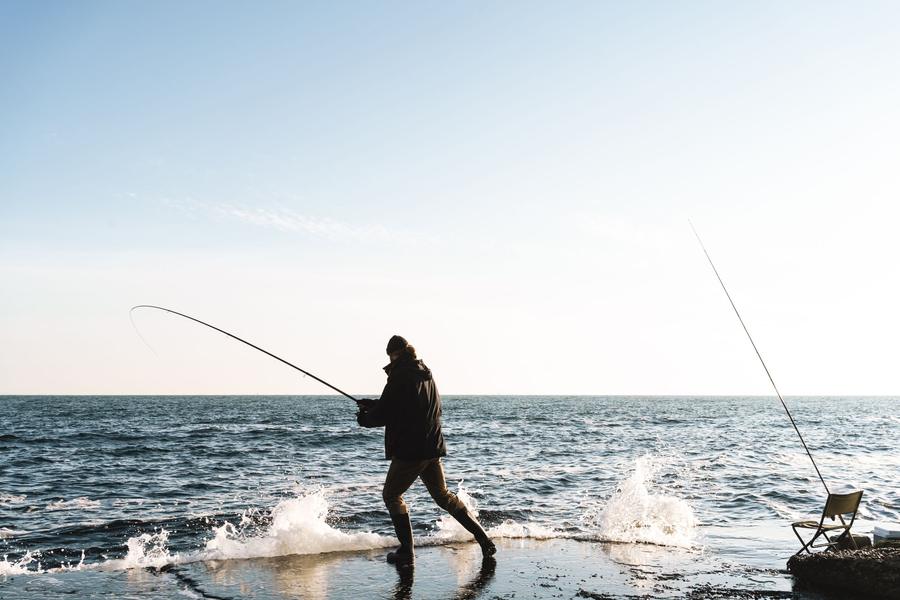
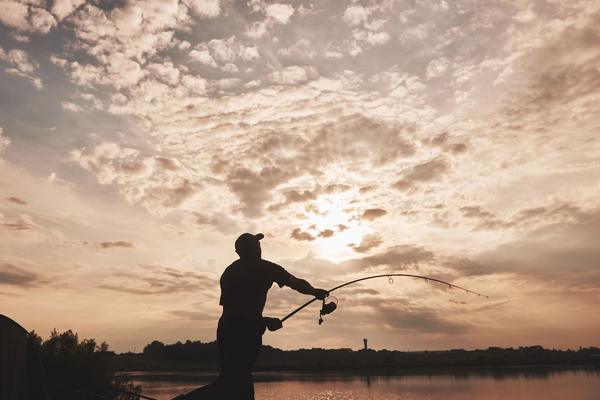
An angler fights a fish at the water's edge

On the beach

How a fish gets scored

  1. 01

    Hook it in the mouth

    The fish must be hooked between the far edge of the gills and the mouth. Anything else is disqualified.

  2. 02

    Fight it alone

    Only the angler touches the rod and line until the fish is on the sand. No nets, gaffs or spears.

  3. 03

    Leave the lure in

    The lure stays attached until the beach judge photographs the hookup.

  4. 04

    Keep it alive

    The judge records species, length, lure and hook placement while the fish stays healthy.

  5. 05

    Release it

    The angler unhooks and releases every fish alive.

The rules

What matters on the sand

Equipment

  • Any rod length, any line strength and material
  • Mechanical reels only, no electric or power-assisted reels
  • Artificial lures only, with single, double or treble hooks
  • No snagging, gang or quadruple hooks
  • Extra leader or line can't be longer than the rod

Courtesy

  • No crossing lines, casting over or impeding another angler
  • When someone's hooked up, the anglers around them stop and clear out
  • Start on dry sand at the starting horn and leave the water at the closing horn
  • Fish only inside the flagged zones

Penalties

  • Fish disqualified: dead or mutilated, helped during the fight (except tarpon and sharks), or hooked outside the mouth-to-gill area
  • Angler disqualified: obstructing another angler, using natural bait, impersonating another angler, or fishing outside the flags

Safety & ties

  • Four repeated air-horn blasts means an emergency stop: everyone returns to shore and base
  • Individual tiebreak: the last angler to take a fish out of the water loses the tie
  • Team tiebreak: the nation whose angler was last to present a fish loses the tie

Best practice

Handle with care

  • Don't hoist big fish vertically. It damages the jaw, bones and organs.
  • Hold the fish horizontally: grip the body or lower jaw and support the belly.
  • Tarpon and large grouper stay in the water.
  • To release, hold the base of the tail and move the fish forward only, or face it into the current so water runs over the gills the right way.
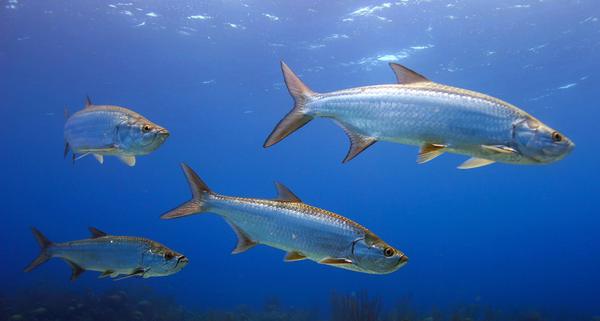
A school of silver tarpon swimming underwater
Every fish goes back alive

This is a summary. The organizers' official 2026 brochure is the final word, and details like session times and the minimum size can change at the captains' meeting.